Cups Tarot Cards
The suit of Cups centers on emotions, love, and connection. It explores how feelings influence our experiences and relationships, highlighting empathy and inner reflection. This suit governs the heart’s realm, revealing emotional currents that shape our interactions and personal growth.
Cups invite you to consider your emotional world and the subtle energies that guide your intuition. They uncover desires, joys, and sorrows, showing how your emotional responses affect your decisions and life path. This suit often signals moments when feelings hold the key to understanding your situation.
Key Themes
Emotions
Relationships
Intuition
Love
Spirituality
All Cups Cards

The court
King
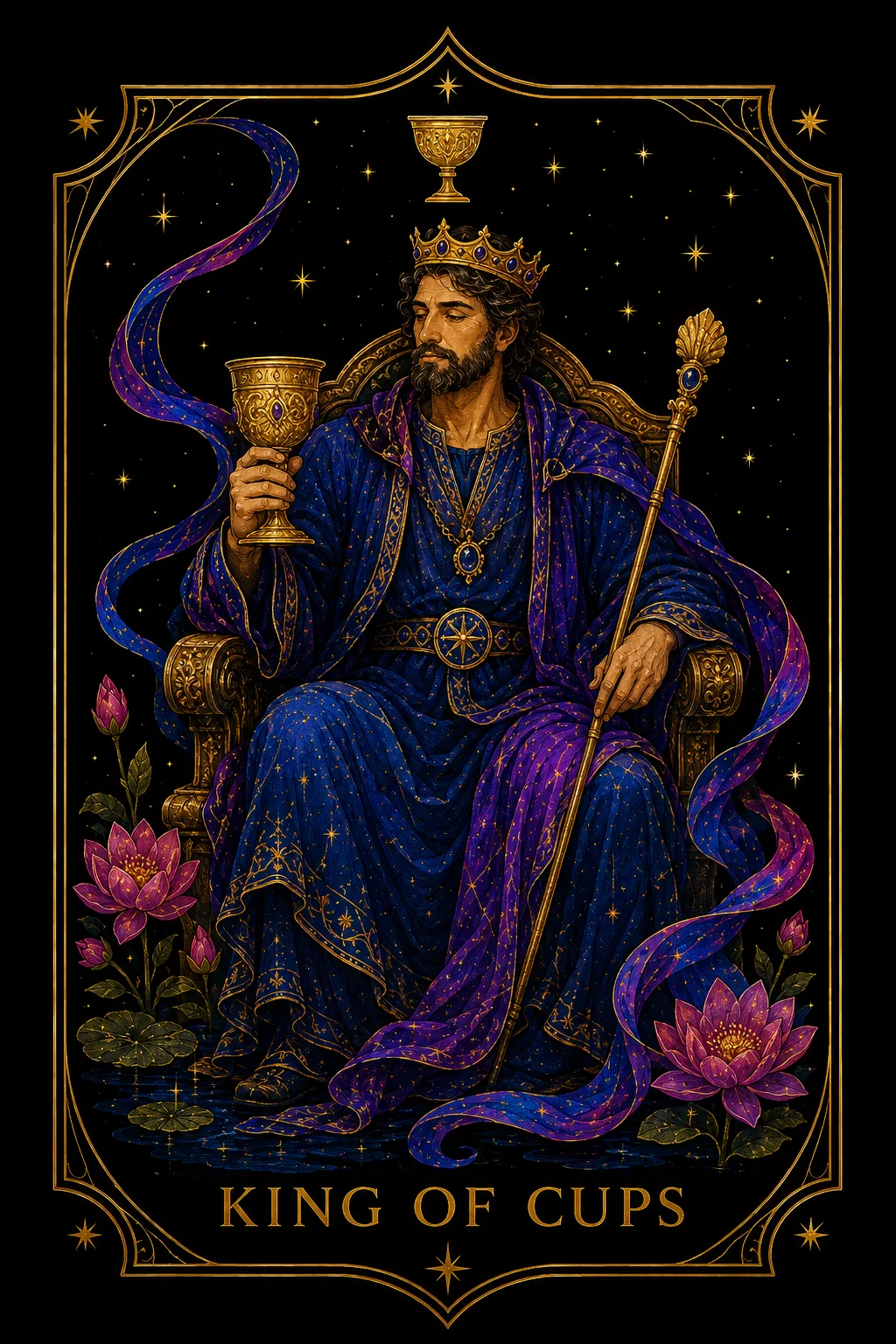
The King of Cups governs his emotions with calm authority and wisdom. He balances empathy with rationality, providing stability and guidance. This king leads through emotional intelligence and diplomacy.
Page
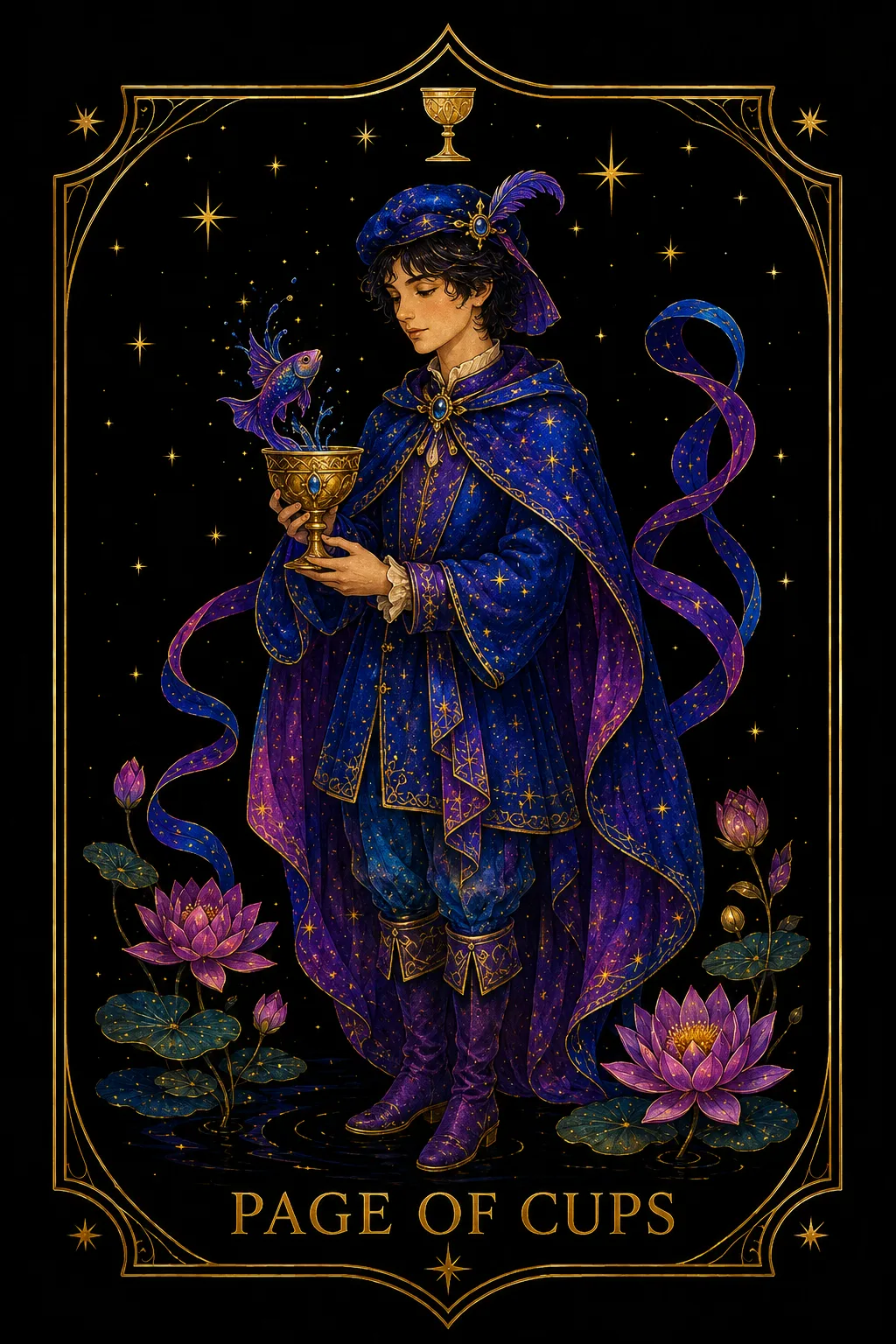
The Page of Cups is a tender and imaginative youth, open to new feelings and creative inspiration. This person approaches emotions with curiosity and innocence, often bringing messages of love or artistic ideas.
Queen
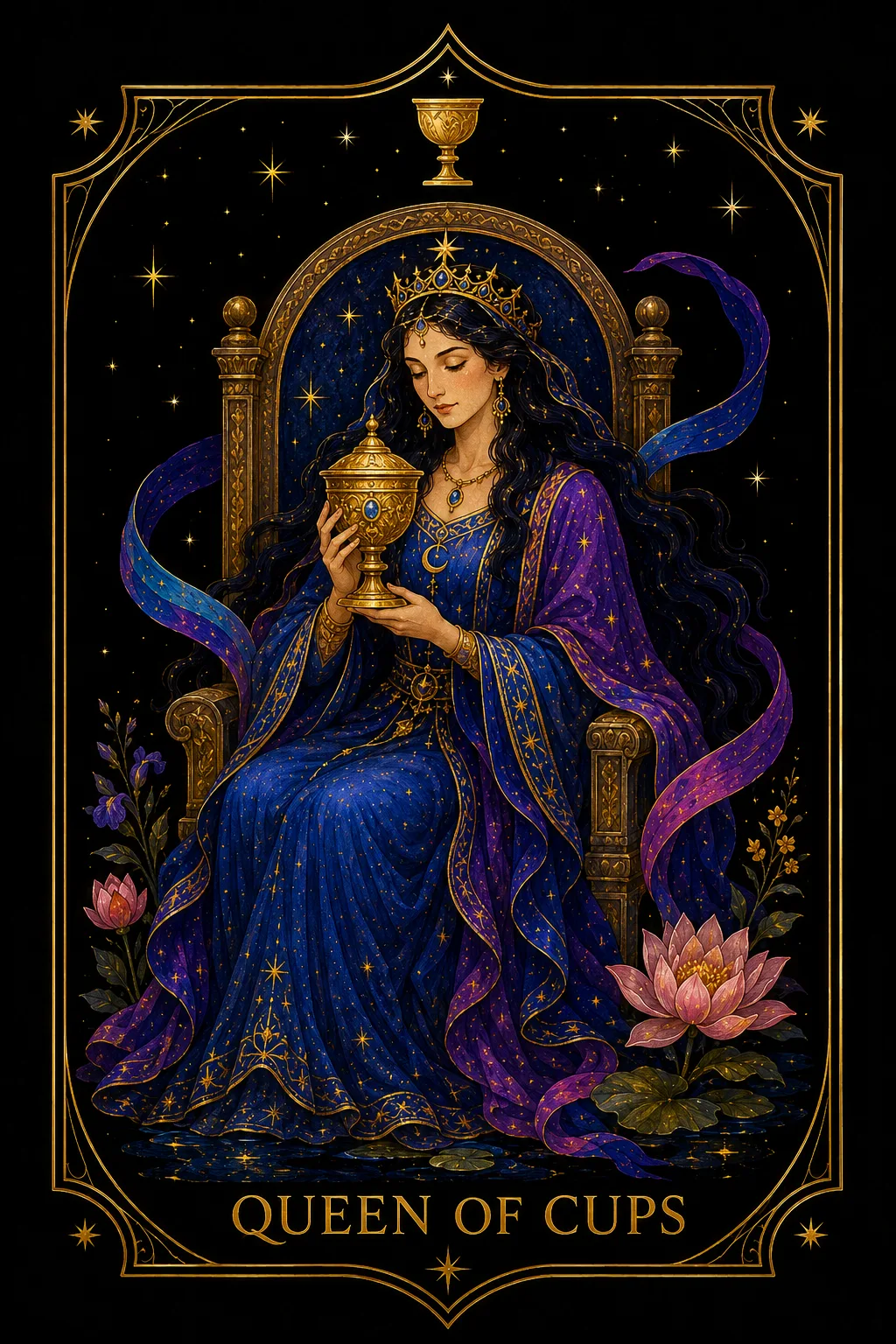
The Queen of Cups is deeply intuitive and nurturing. She understands emotions profoundly and offers compassionate support. This queen embodies emotional maturity and often serves as a healer or counselor in her circle.
Knight
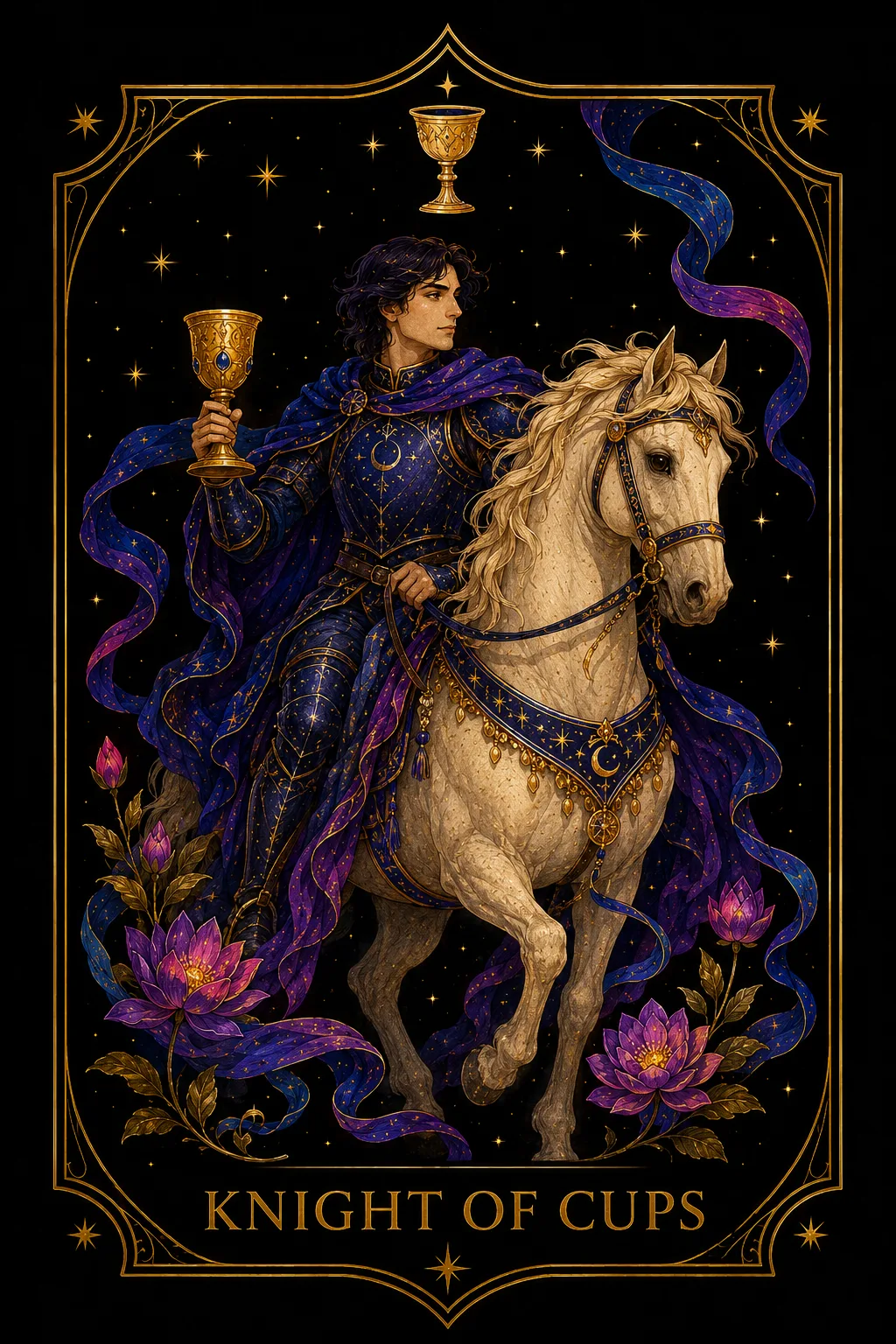
The Knight of Cups acts with romantic idealism and charm. He follows his heart ardently, sometimes impulsively, embodying the pursuit of emotional or spiritual quests. This knight moves gracefully through emotional landscapes.
What the element does
Water infuses every Cup card with fluidity and depth. It softens boundaries, encouraging openness and emotional flow. This element enhances sensitivity, making Cups responsive to subtle shifts in mood and atmosphere. Water also brings healing and cleansing properties, helping emotions to move and transform rather than stagnate.
Ace through Ten
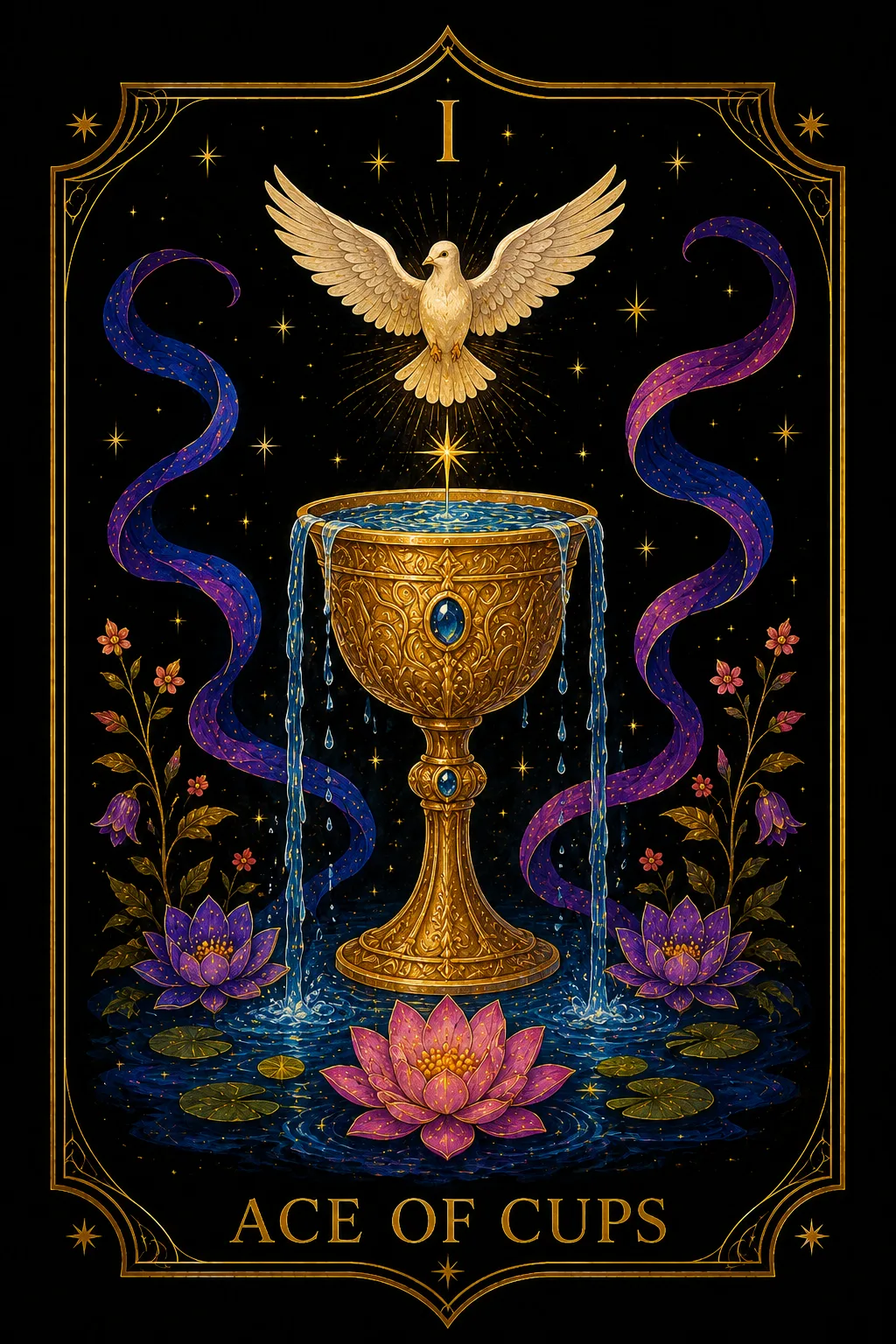
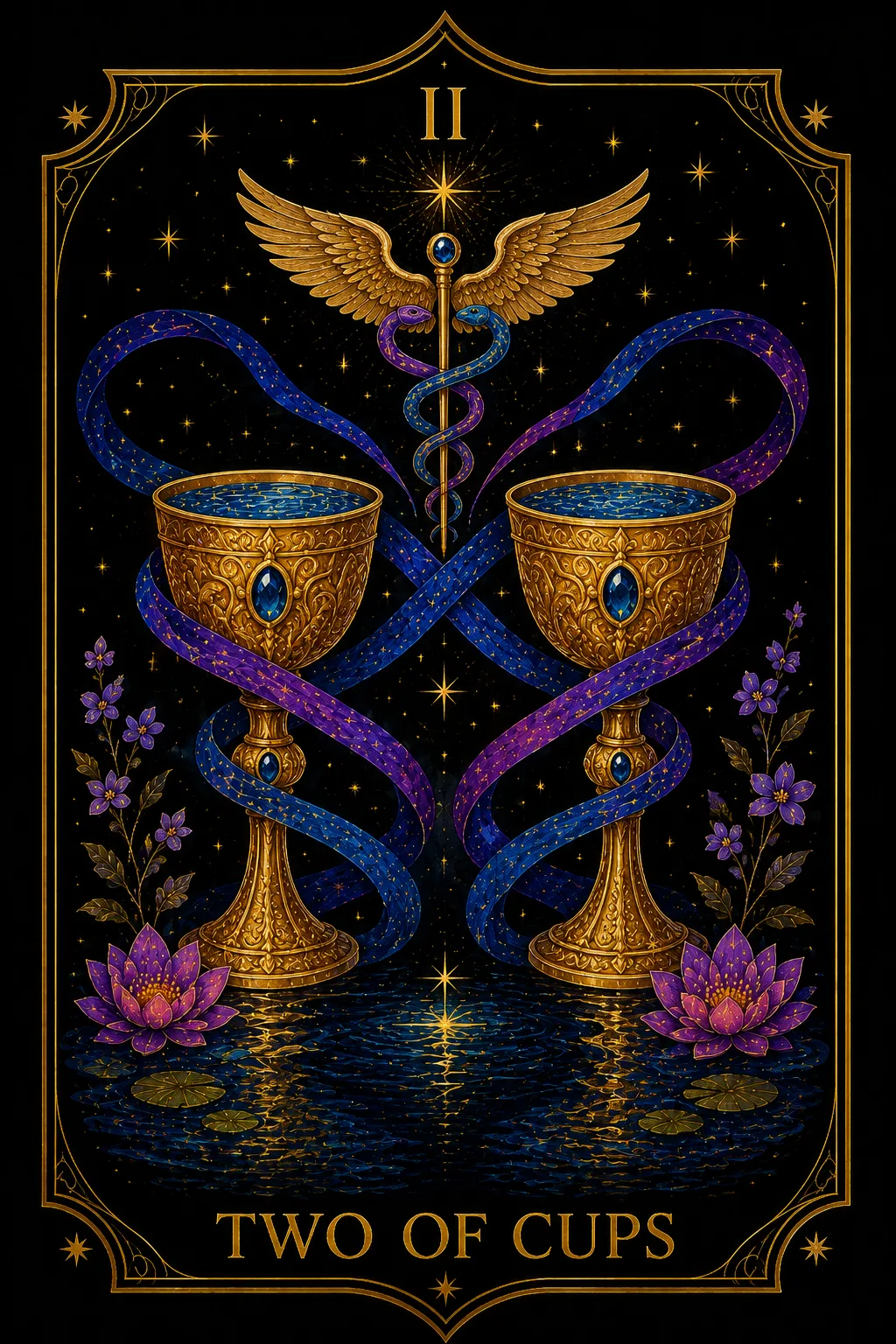
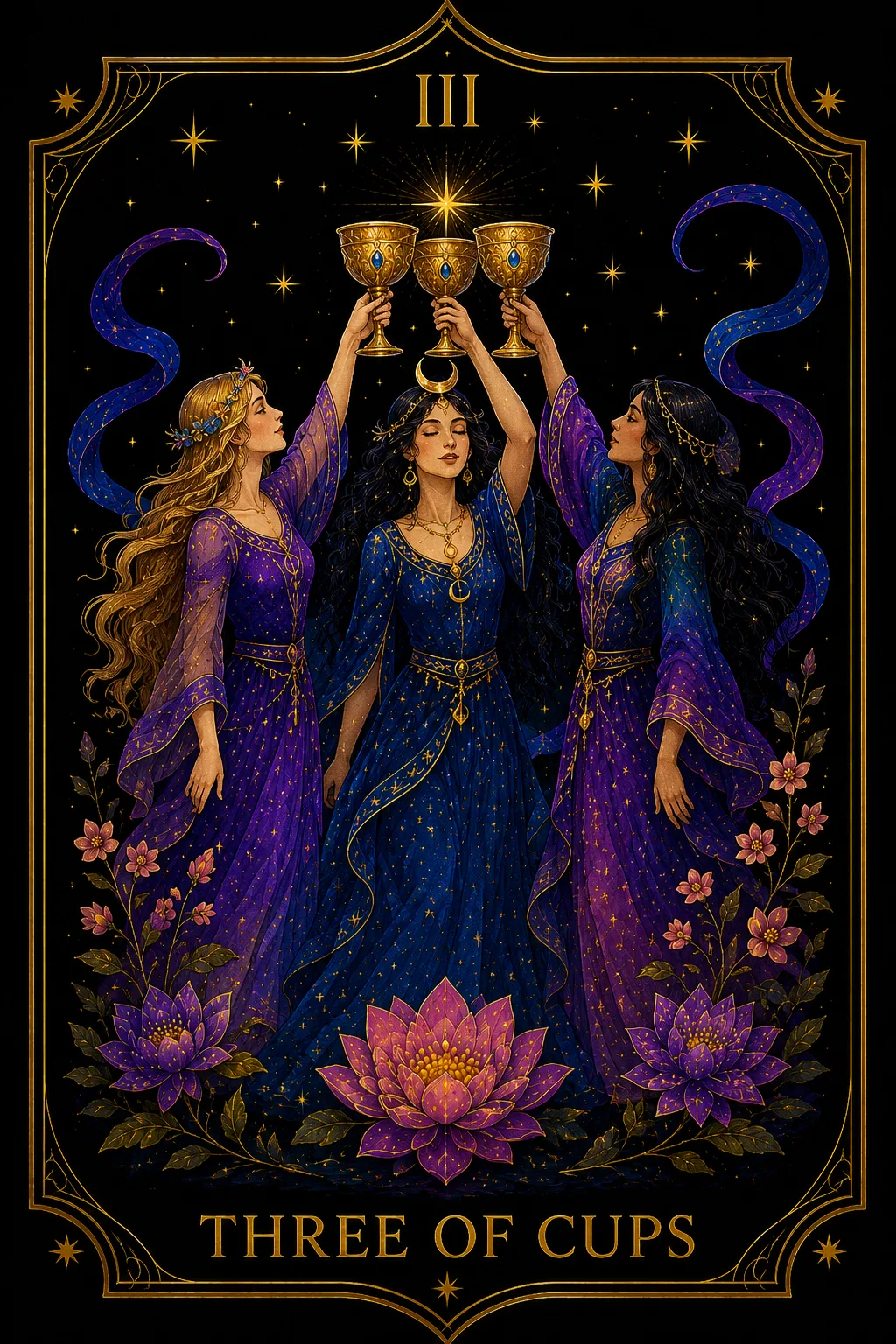
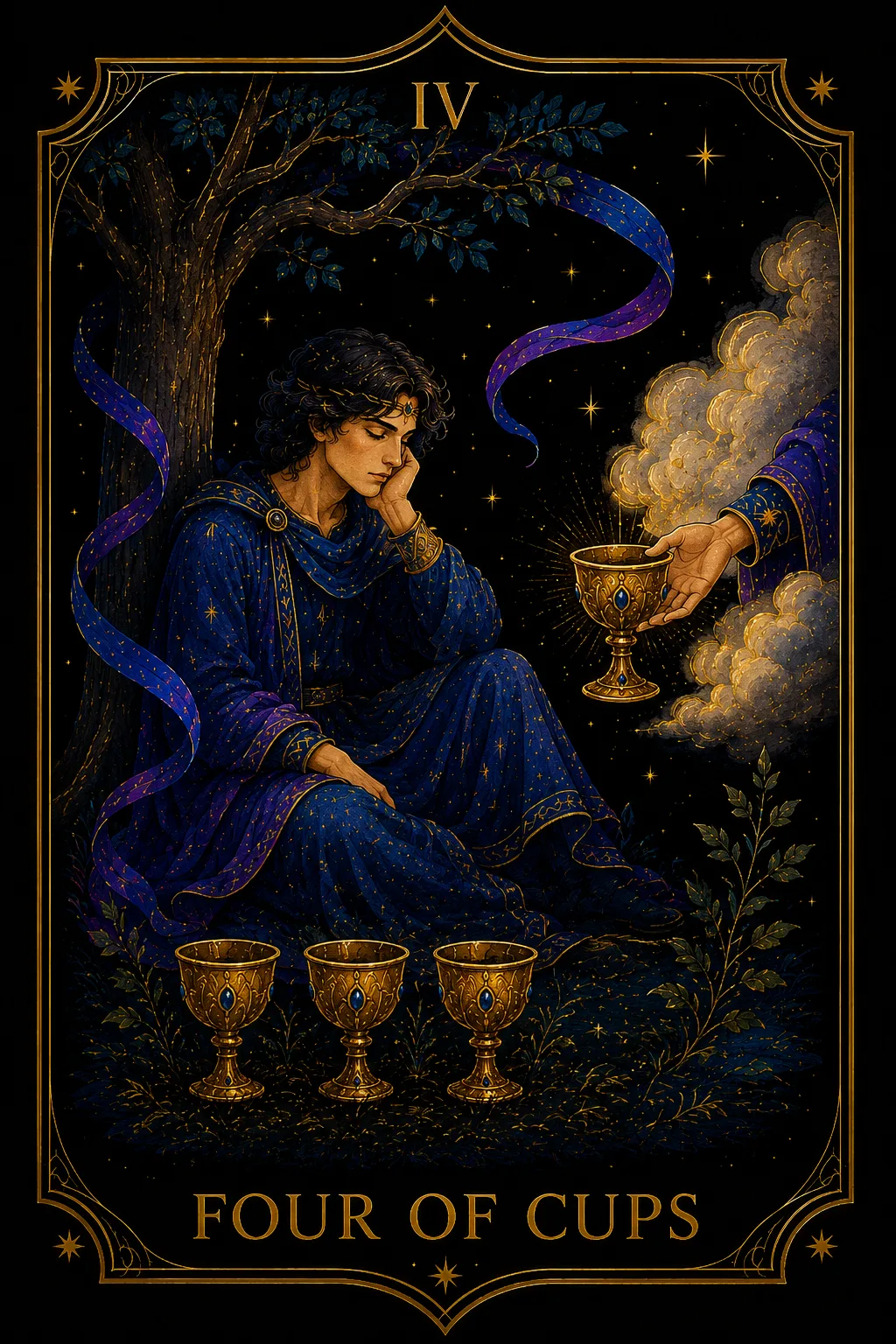
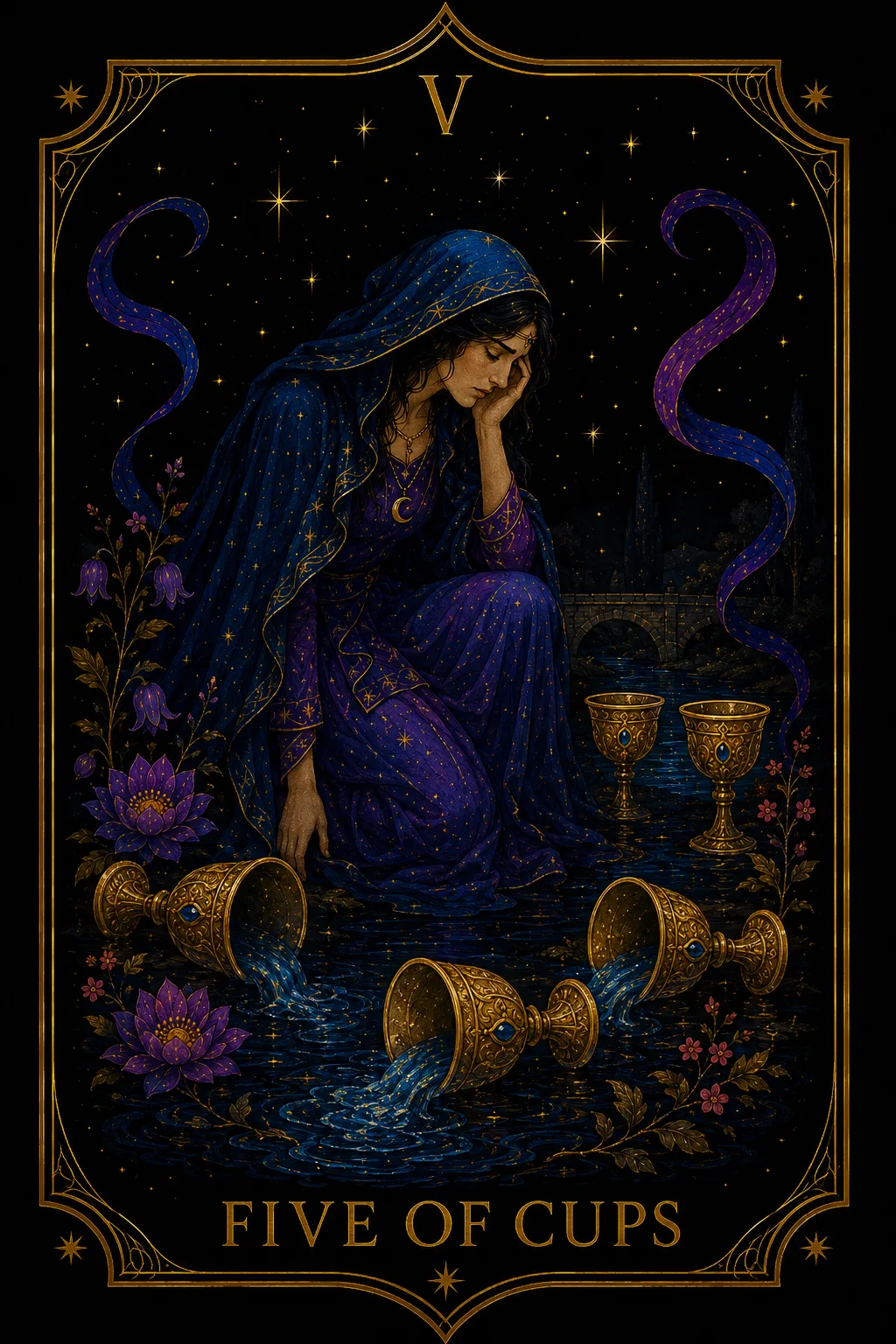
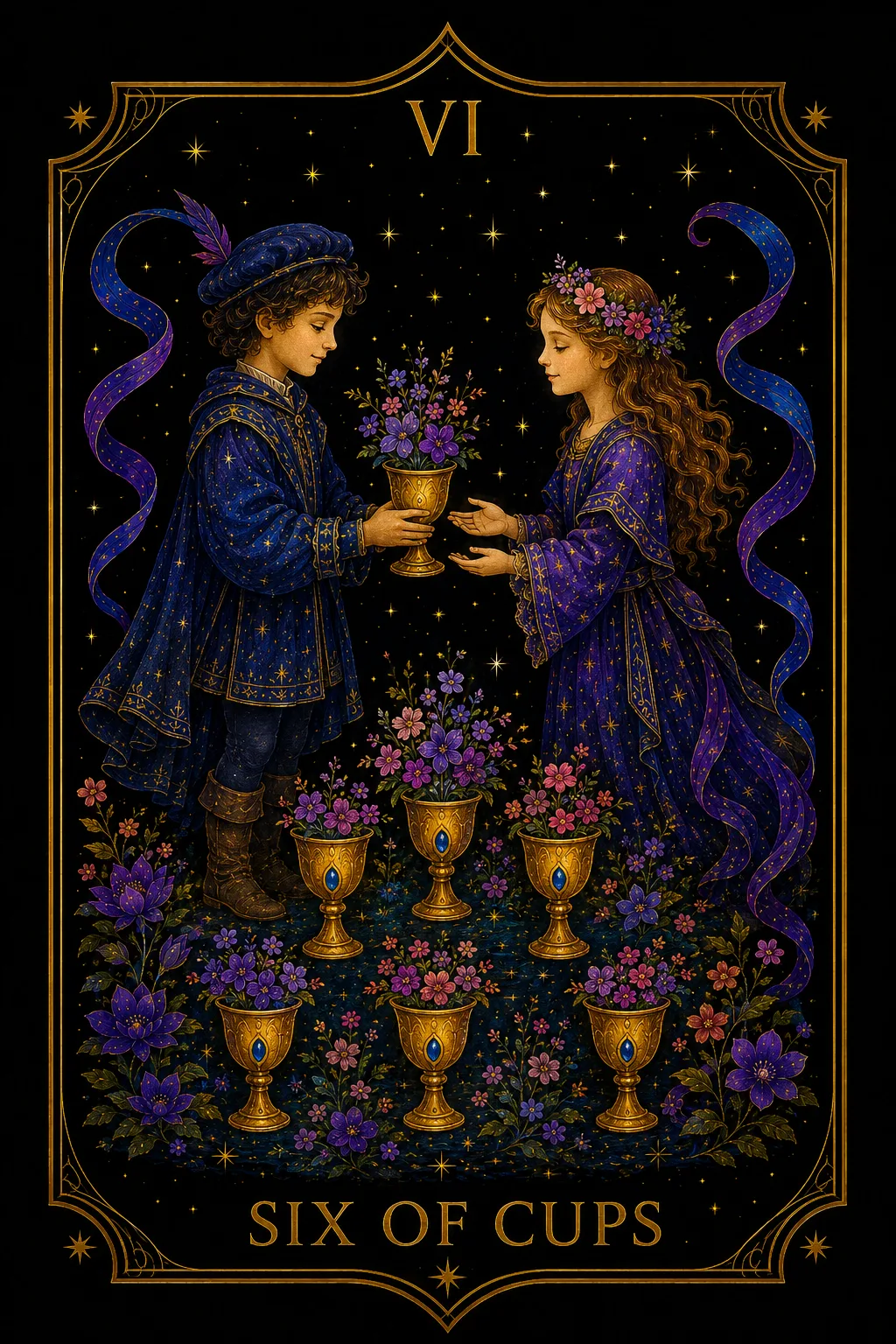
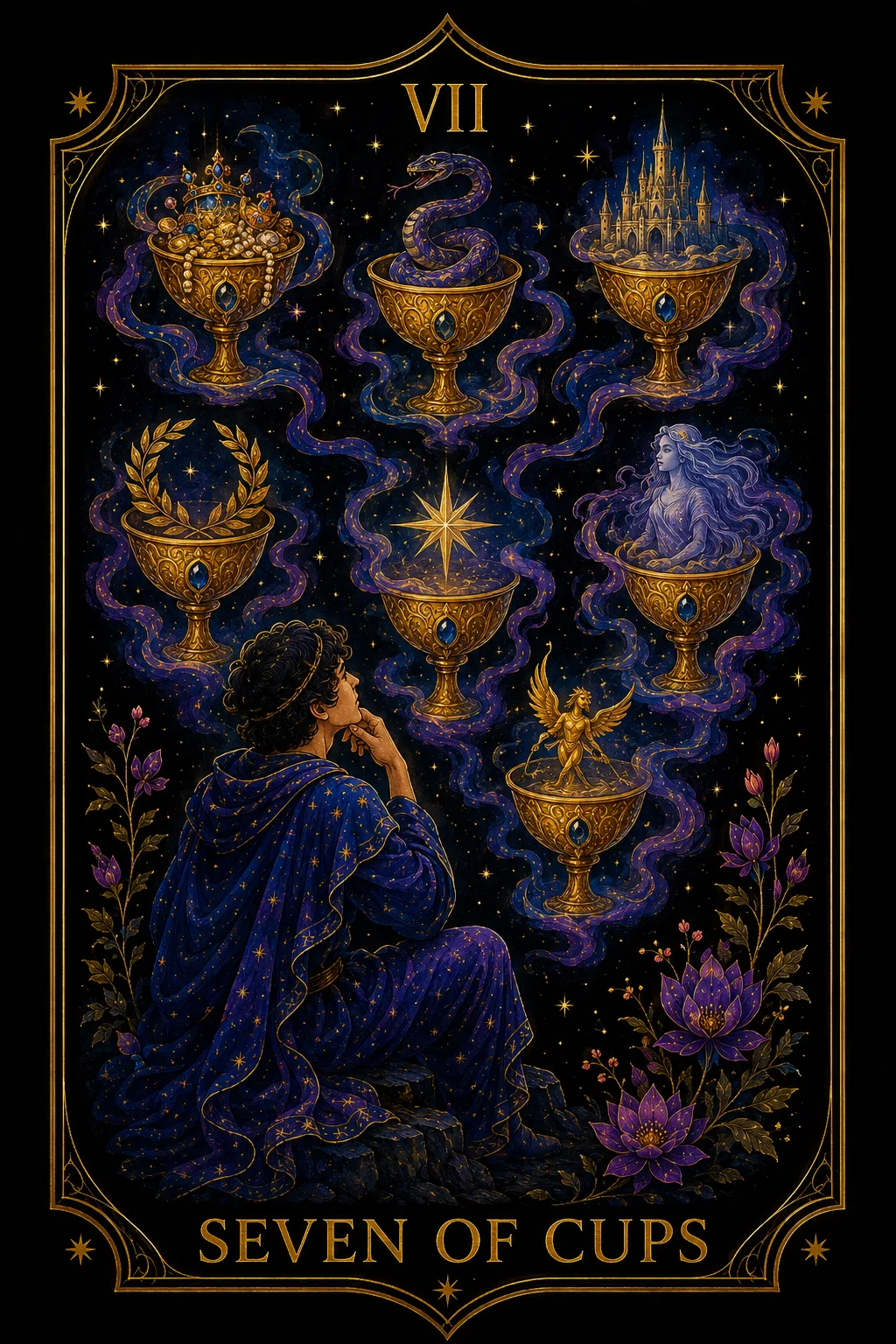
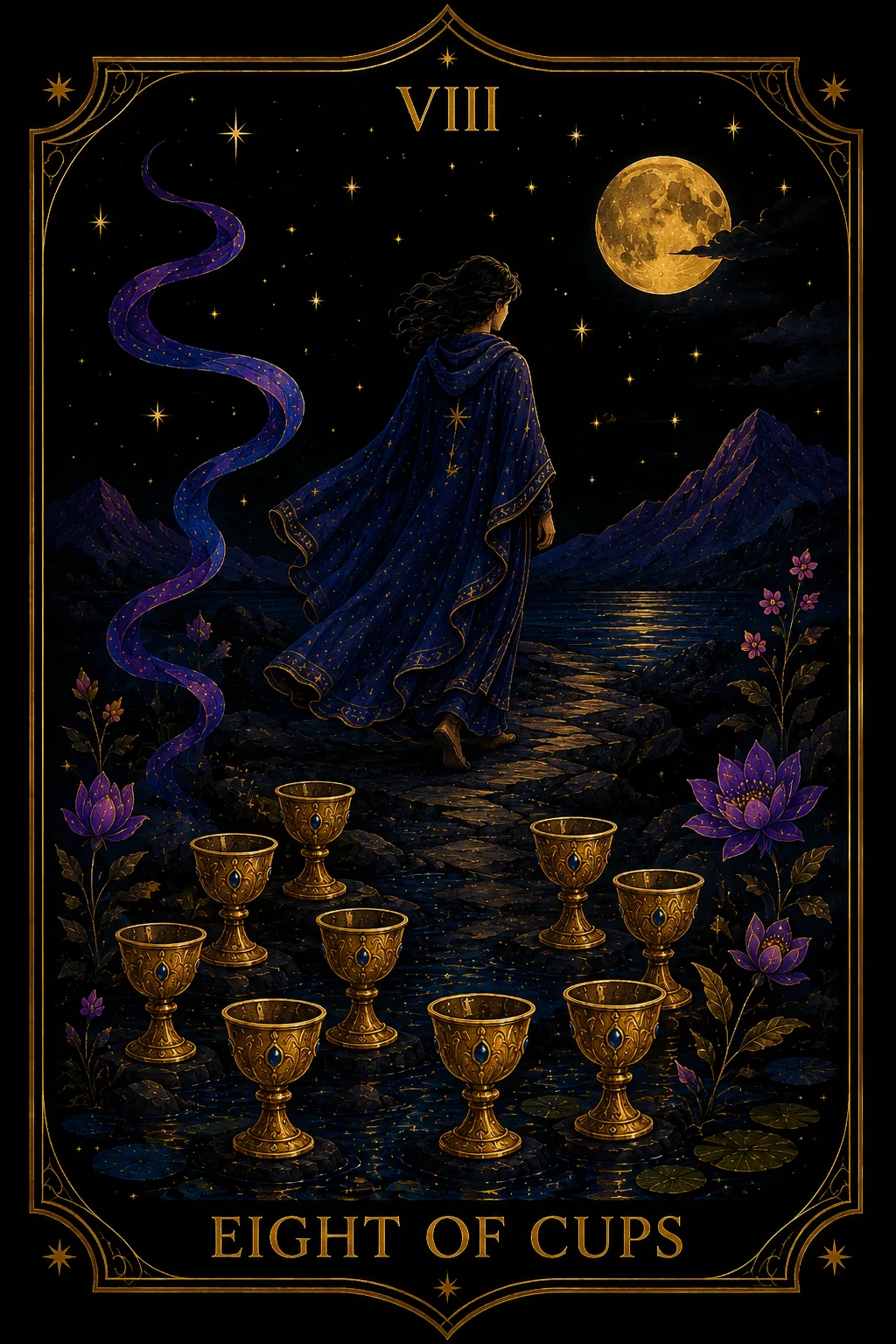
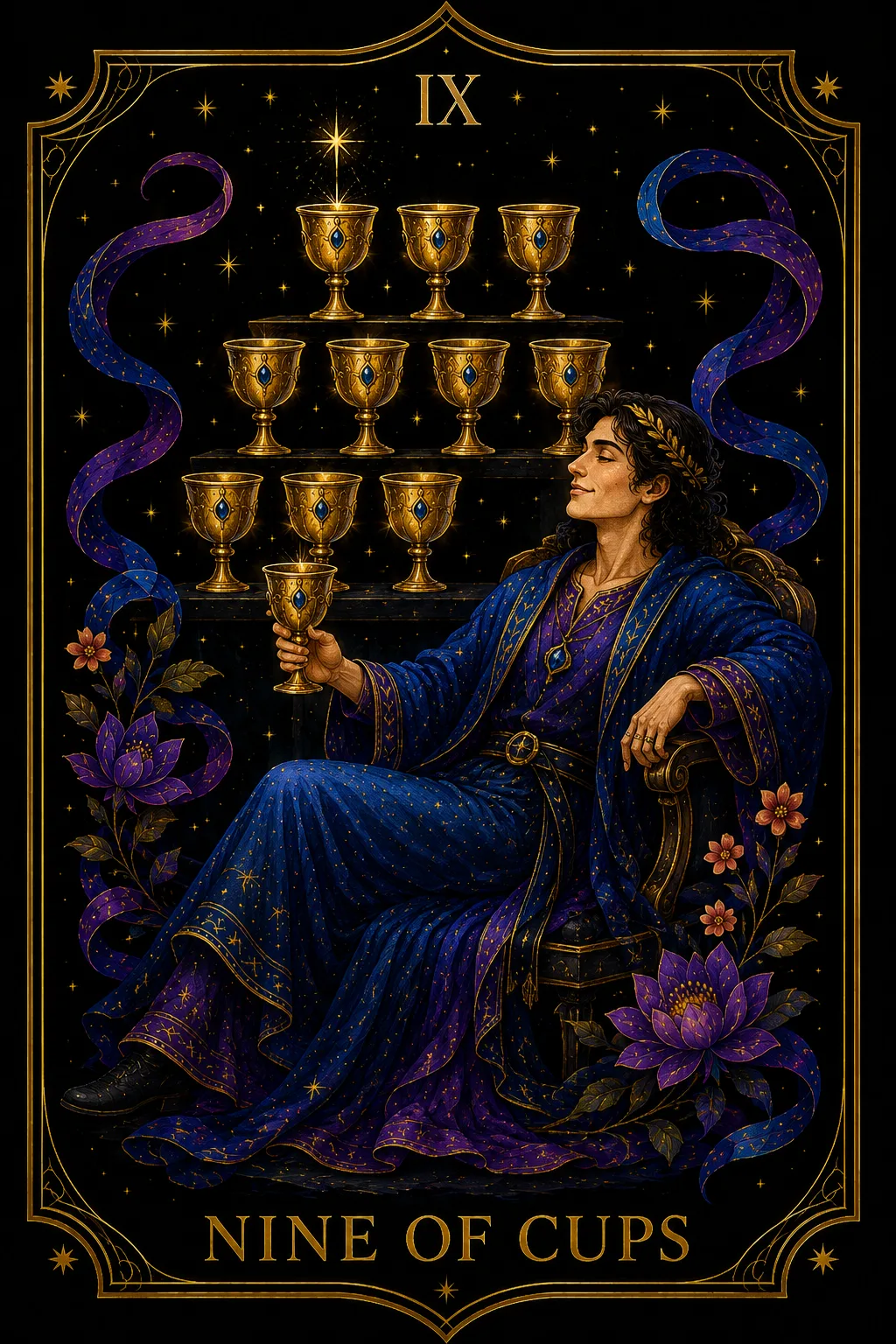
The journey through Cups traces the evolution of emotional experience. The Ace of Cups marks new emotional beginnings or openings of the heart. By the time you reach the Four of Cups, emotional dissatisfaction or contemplation appears. The Seven of Cups challenges the querent with choices and fantasies, while the Ten of Cups culminates in emotional fulfillment and harmonious relationships.
When it appears
When Cups appear, emotions and relationships take center stage. Their presence draws attention to feelings beneath the surface and encourages listening to intuition. This suit often shifts a reading toward understanding emotional motivations or highlighting the importance of compassion and connection.
A spread heavy in this suit
A spread dominated by Cups signals that emotional issues or relationship dynamics are paramount. The querent may be navigating love, heartache, or deep personal reflection. It suggests a need to honor feelings and cultivate empathy as a guide through current challenges.
Beside the other suits
Cups’ emotional focus contrasts with Wands’ action and ambition, Swords’ logic and conflict, and Pentacles’ material concerns. When paired with Wands, Cups soften drive with sensitivity. Alongside Swords, they temper harsh truths with compassion. With Pentacles, they balance practical matters with emotional well-being.
Read another suit
Questions about Cups
What life areas do the Cups primarily address?
Cups mainly deal with emotions, relationships, intuition, and matters of the heart.
How does the Water element influence the Cups suit?
Water brings emotional depth, fluidity, and sensitivity to all Cups cards, encouraging openness and transformation.
What does the Ace of Cups represent in a reading?
It symbolizes a fresh start in emotional or spiritual life, such as new love or creative inspiration.
How should I interpret the Court Cards in Cups?
Each court card represents a distinct emotional personality, from the youthful openness of the Page to the balanced wisdom of the King.
What does it mean if Cups dominate a tarot spread?
It indicates that emotional matters and relationships are central to the querent’s current experience and require attention.